Essential Safety Tips for Hiking and Trekking in High Altitudes
Hiking and trekking in high altitudes can be an exhilarating and rewarding experience. The breathtaking views, fresh air, and sense of accomplishment make it a popular activity for outdoor enthusiasts. However, it also comes with its own set of challenges and dangers. Being prepared and educated about high altitude safety is crucial to ensure a safe and enjoyable trek. In this article, we will discuss some essential safety tips for hiking and trekking in high altitudes.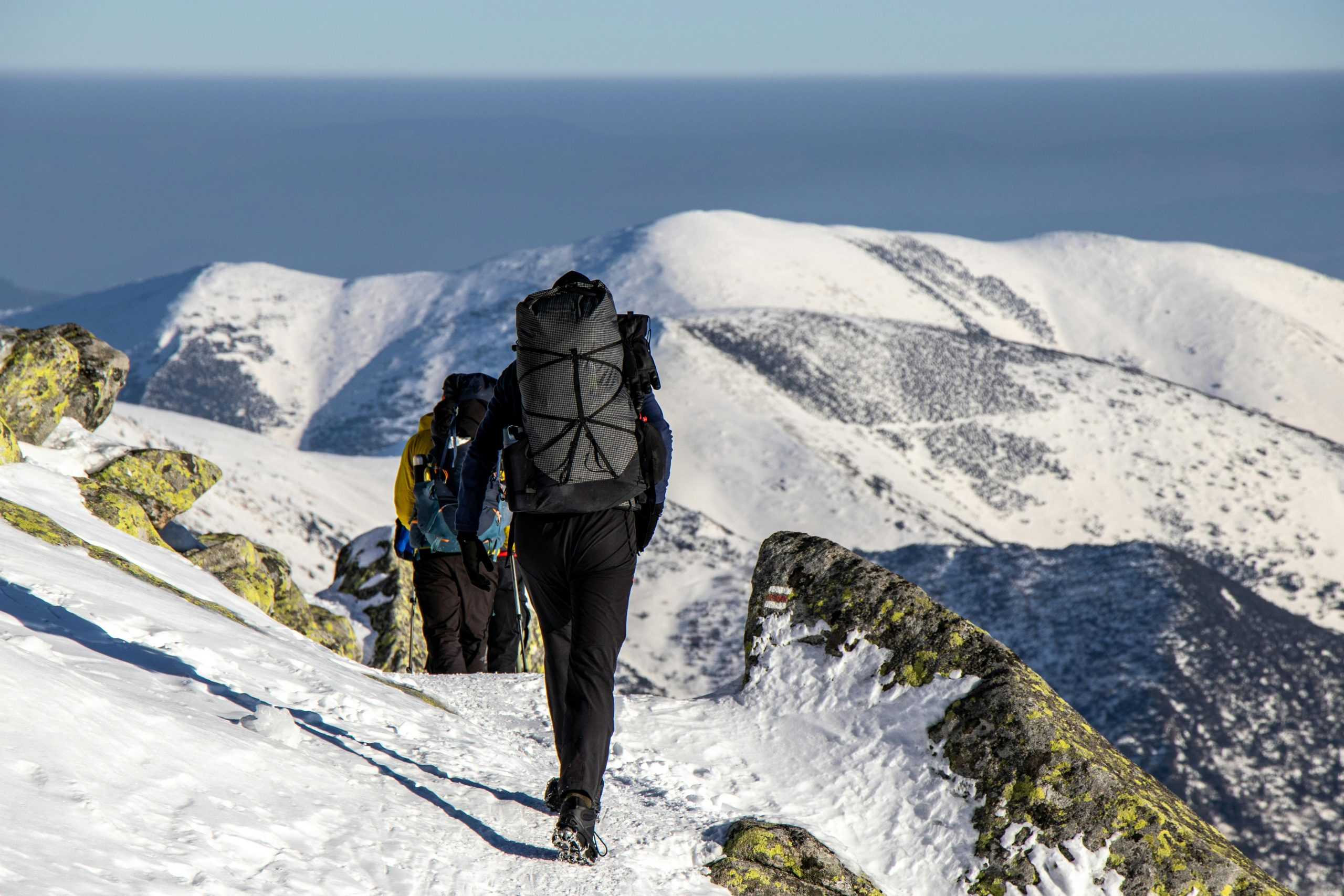
The Dangers of High Altitudes
High altitudes are defined as any elevation above 8,000 feet (2,400 meters). At these heights, the air is thinner and contains less oxygen, making it more difficult to breathe. This can lead to altitude sickness, a potentially life-threatening condition that occurs when the body does not get enough oxygen. Symptoms of altitude sickness include headache, nausea, dizziness, and fatigue.
In addition to altitude sickness, there are other dangers that hikers and trekkers need to be aware of when venturing into high altitudes. These include hypothermia, sunburn, and dehydration. The extreme cold, strong winds, and intense sun at high altitudes can quickly lead to these conditions if proper precautions are not taken.
Essential Safety Tips for Hiking and Trekking in High Altitudes
1. Acclimatize Properly
Acclimatization is the process of adjusting to the reduced oxygen levels at higher altitudes. It is crucial to reduce the risk of altitude sickness. The recommended rate of ascent is no more than 1,000 feet (300 meters) per day. This allows the body to gradually adapt to the changing altitude. It is also important to take rest days in between hikes to allow the body to acclimatize.
2. Stay Hydrated
Dehydration is a common problem at high altitudes, as the dry air and increased respiration can cause you to lose more fluids. It is essential to drink plenty of water while hiking or trekking at high altitudes. Aim for at least 2-3 liters per day. Drink before you feel thirsty, as thirst is a sign of dehydration. Avoid alcohol and caffeine, as they can contribute to dehydration.
3. Dress Appropriately
The key to staying warm and comfortable at high altitudes is to dress in layers. This allows you to adjust your clothing to the changing temperatures. Start with a base layer made of moisture-wicking material to keep you dry. Next, add a middle layer for insulation, and finish with a waterproof and windproof outer layer. Don’t forget to protect your head and hands with a hat and gloves.
4. Protect Yourself from the Sun
The sun’s rays are more intense at high altitudes, so it is crucial to protect your skin. Wear sunscreen with a high SPF, and reapply regularly. Also, wear sunglasses to protect your eyes from the sun’s glare and prevent snow blindness.
5. Bring Along the Essentials
When hiking or trekking in high altitudes, it is essential to have the necessary supplies with you. This includes a first aid kit, map and compass, high-energy snacks, and plenty of water. It is also crucial to have a reliable means of communication, such as a cell phone or satellite phone, in case of emergencies.
6. Know the Signs of Altitude Sickness
To ensure your safety, it is essential to know the symptoms of altitude sickness. If you or anyone in your group experiences severe headache, vomiting, or difficulty breathing, descend to a lower altitude immediately. If the symptoms do not improve, seek medical attention right away.
7. Hike with a Partner
It is always safer to hike with a partner, especially in high altitudes. In the event of an emergency, having someone with you can make all the difference. It is also helpful to have an experienced guide with you who knows the area and can assist you in case of any issues.
8. Respect Nature and Local Customs
When hiking or trekking in high altitudes, it is important to respect nature and local customs. Stay on designated trails and do not disturb the wildlife. It is also crucial to be respectful of the local culture and customs. Learn about the etiquette and beliefs of the area before your trip to ensure a positive and respectful experience.
Conclusion
Hiking and trekking in high altitudes can be a challenging but incredibly rewarding experience. With proper preparation and knowledge, you can ensure a safe and enjoyable trip. Remember to acclimatize properly, stay hydrated, and protect yourself from the sun. Dress appropriately, bring the necessary supplies, and always hike with a partner. By following these essential safety tips, you can make the most of your high altitude adventure safely.