The Role of Government Policy in Stabilizing Housing Prices
The housing market is one of the most crucial sectors for any economy. It not only provides shelter for individuals and families, but it also plays a significant role in driving economic growth and stability. However, the housing market can be subject to extreme fluctuations, resulting in unpredictable housing price trends. This instability can have severe consequences for both homeowners and the economy as a whole. That’s where government policies come into play. In this article, we will explore the role of government policy in stabilizing housing prices and how it affects individuals and the economy.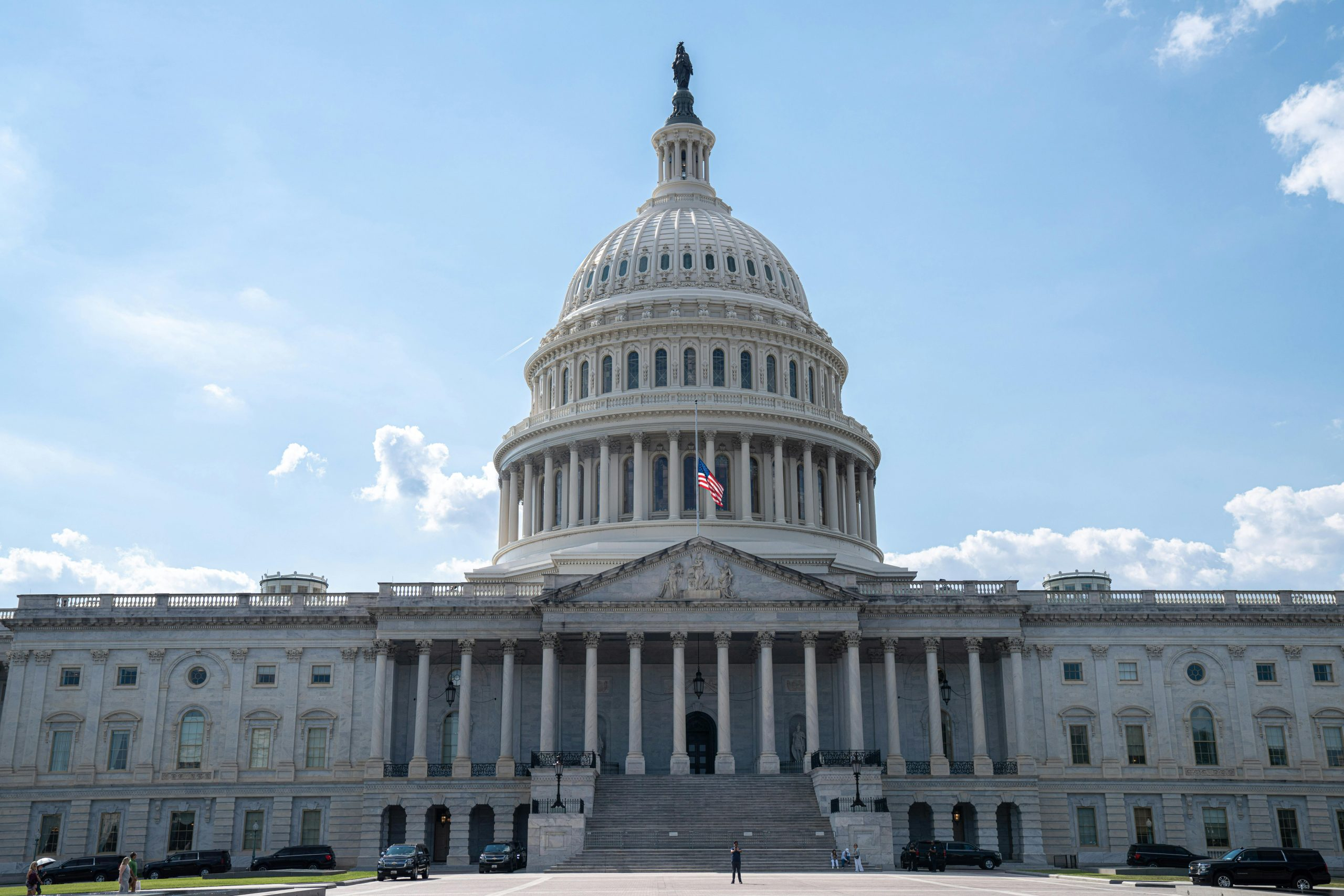
The Importance of Stable Housing Prices
The housing market is a vital component of an economy, and the stability of housing prices is crucial for its growth. Stable housing prices create a sense of security for buyers, allowing them to invest in a property without worrying about extreme price fluctuations. Moreover, homeowners with stable house prices can plan their finances better and are less likely to fall into debt.
Furthermore, housing prices have a significant impact on consumer spending. When housing prices are stable, homeowners’ confidence increases, and they are more likely to make purchases, which drives economic growth. On the other hand, a decline in housing prices can lead to a decrease in consumer spending and have a negative impact on the economy.
In addition to this, stable housing prices also attract foreign investors, which contributes to a country’s economic growth. It also encourages domestic investors to invest in the housing market, creating more job opportunities, and boosting the overall economy.
The Role of Government Policy in Stabilizing Housing Prices
The government plays a crucial role in stabilizing housing prices by implementing various policies and regulations. These policies are aimed at controlling the housing market to prevent unsustainable price hikes and crashes. Let’s take a look at some of the measures that governments use to stabilize housing prices:
Regulating Interest Rates
One of the main drivers of housing prices is the interest rates set by central banks. Lower interest rates attract more homebuyers and investors, leading to an increase in housing prices. On the other hand, high-interest rates discourage homebuyers and investors, causing a decline in housing prices. The government can use monetary policy to regulate these interest rates to ensure they do not cause a housing market bubble.
Tax Incentives
The government can also offer tax incentives to encourage housing affordability and stability. For instance, tax incentives can be given to buyers purchasing their first home, which makes homeownership more accessible and stabilizes the housing market. On the other hand, a tax on house sales can discourage speculative buying, resulting in a more stable market.
Implementing Regulations on Lending Practices
The government can regulate lending practices to ensure people only borrow what they can afford to repay. This can help prevent people from taking on high mortgages that they cannot afford, which can lead to defaults and a crash in housing prices.
Supply-Side Measures
The supply of homes is also a crucial factor in stabilizing housing prices. If there are not enough homes to meet the demand, it can lead to a rise in prices. The government can implement policies to increase the supply of affordable housing, such as offering subsidies to developers, making land available for development, and encouraging the conversion of commercial buildings into residential properties.
The Impact of Government Policy on the Housing Market
Government policies aimed at stabilizing housing prices can have a significant impact on the housing market and the economy. Let’s take a look at some of these effects below:
Improved Housing Affordability
When housing prices are stabilized, it becomes more affordable for the general population to purchase a home. This can help reduce income inequality and improve the standard of living for many individuals and families.
Stronger Economic Growth
Stable housing prices encourage economic growth as it boosts consumer spending and attracts domestic and foreign investment. A stable housing market can also lead to a more stable economy, reducing the chances of a recession.
Avoiding a Housing Bubble
A housing bubble is a rapid and unsustainable increase in housing prices, which eventually leads to a crash in the market. This can have devastating consequences for homeowners, the housing market, and the economy. Government policies aimed at stabilizing prices can prevent such bubbles from forming and protect the economy from a crash.
Conclusion
The housing market is a vital component of an economy, and unstable housing prices can have far-reaching consequences. It is the government’s responsibility to implement policies that promote stability in this sector. By regulating interest rates, offering tax incentives, controlling lending practices, and focusing on increasing housing supply, the government can play a crucial role in stabilizing housing prices. This, in turn, will have a positive impact on individuals, the economy, and the overall well-being of society.