The Power of Portfolio: Showcasing Work for Creative and Technical Roles
In today’s competitive job market, it’s not enough to just have the skills and qualifications required for a job. In order to stand out and land your dream job, you need a way to showcase your talents and capabilities. This is where a portfolio comes in – an essential tool for any creative or technical professional looking to display their work. Whether you are a graphic designer, software developer, writer or photographer, having a portfolio can greatly enhance your chances of success. In this article, we’ll explore the power of portfolio and how it can help you in securing your desired role.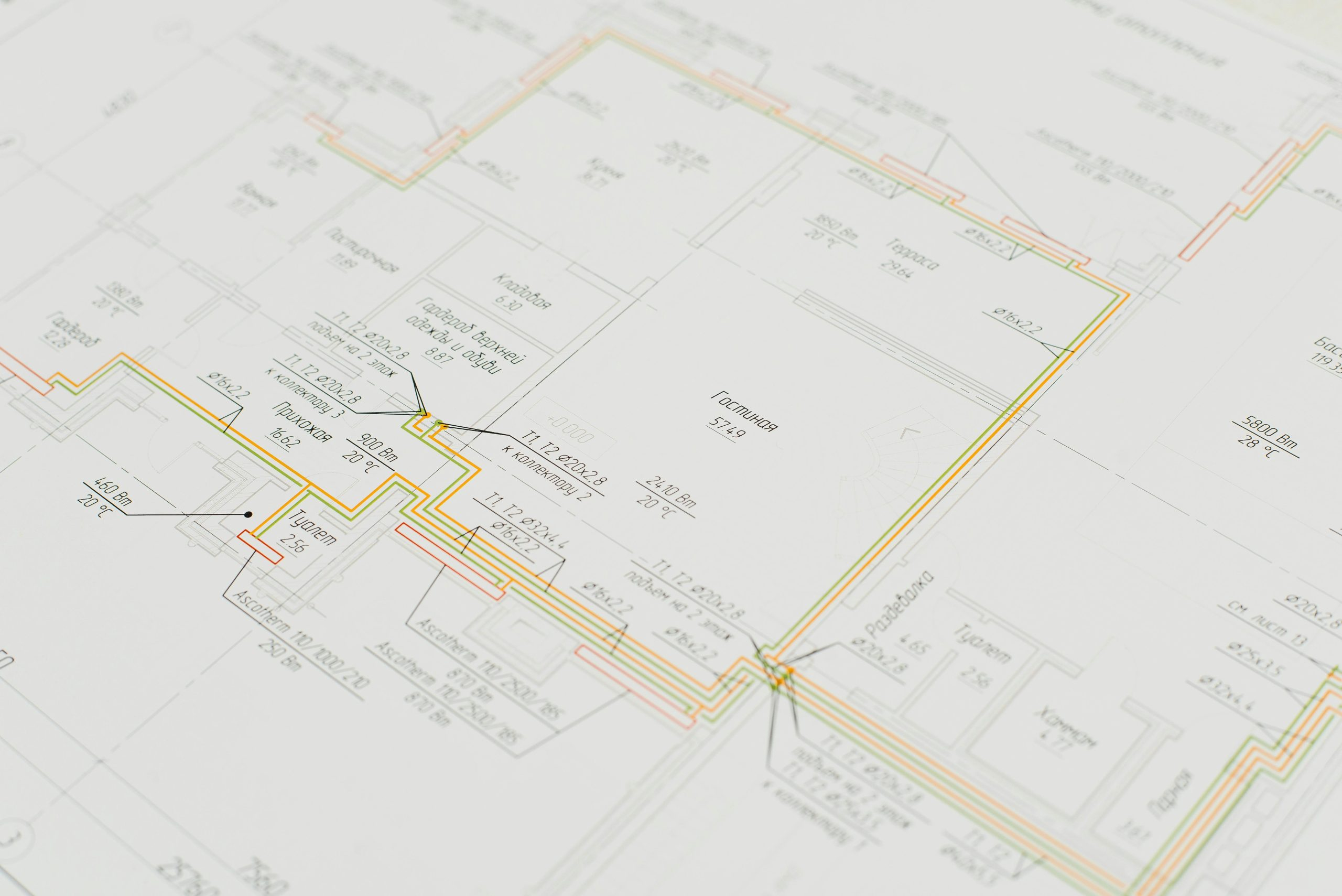
What is a Portfolio?
A portfolio is a collection of your best work that showcases your skills, experience, and achievements. It serves as a visual representation of your capabilities and acts as a proof of your achievements. A portfolio can come in many forms – a physical book, a digital presentation, a website or even a social media page. Regardless of the form, it’s an effective way to demonstrate your proficiency and convince potential employers of your value.
The Importance of a Portfolio
For creative and technical professionals, a portfolio is an integral part of the job search process. It not only highlights your skills and expertise, but also gives employers a glimpse of your thought process and problem-solving capabilities. Here are some of the key benefits of having a portfolio:
1. Showcases Your Creativity and Technical Abilities
Unlike a resume or a cover letter, a portfolio allows you to showcase your work in a more engaging and interactive way. It gives you the opportunity to include a variety of projects, ranging from personal to professional, which can demonstrate your creativity and technical abilities. This provides employers with a clear understanding of your strengths and helps them visualize how your skills can add value to their organization.
2. Allows for Personalization
One of the biggest advantages of a portfolio is that it can be tailored to suit the specific role you are applying for. For example, if you are applying for a graphic design position, you can include more of your design work in your portfolio. This allows you to personalize your portfolio to fit the requirements of the job and make it more relevant to the employer’s needs.
3. Differentiates You from Others
In today’s competitive job market, it’s important to stand out from the crowd. A portfolio can make you stand out by showcasing your unique skills, accomplishments, and projects. It gives employers an insight into your personality and work ethic, making you a more memorable candidate.
4. Helps in Interview Preparation
Having a portfolio not only helps you in securing the interview, but it can also assist you in the interview itself. During the interview, you can use your portfolio to explain your projects in more detail and provide concrete examples of your work. This not only shows your preparedness but also provides the interviewer with a better understanding of your work.
Tips for Creating an Effective Portfolio
Now that you understand the importance of a portfolio, here are some tips to help you create an effective one:
1. Keep it Organized
Make sure your portfolio is organized and easy to navigate. Use clear and concise labels for each project and arrange them in a logical order. This will help employers quickly find what they are looking for and make a positive first impression.
2. Quality over Quantity
It’s not necessary to include every project you have ever done in your portfolio. Instead, focus on showcasing your best and most relevant work. Choose projects that demonstrate a range of skills and abilities, and leave out any pieces that are outdated or of poor quality.
3. Tailor it to the Job
Be selective about what projects you include in your portfolio. Make sure they align with the job you are applying for and tailor your portfolio accordingly. This will help employers see how your skills and experience are directly relevant to the position they are hiring for.
4. Keep it Updated
As you gain more experience and work on new projects, make sure to update your portfolio regularly. This will ensure that your portfolio is always showcasing your most recent and relevant work.
5. Have a Digital Version
In addition to a physical portfolio, it’s important to have a digital version as well. A website or a social media page can act as an online portfolio, giving potential employers easy access to your work. It also demonstrates your proficiency in using technology and can make your portfolio more accessible.
Conclusion
A portfolio is a powerful tool that can greatly enhance your chances of securing your desired job. It allows you to showcase your creativity, technical abilities, and unique skills, making you stand out from the competition. By putting effort into creating a well-organized and personalized portfolio, you can effectively convey your value to potential employers and increase your chances of success. So, if you’re a creative or technical professional, make sure to harness the power of portfolio and take your career to the next level.