The Power of Play: Integrating Games into Early Childhood Education
As technology continues to advance and become an integral part of our daily lives, it’s no surprise that the world of education is also evolving. With the rise of digital tools and resources, more and more educators are turning to innovative ways to engage and teach young learners. One such method that has gained momentum in recent years is the use of games in early childhood education. While some may argue that games are simply a form of entertainment, the truth is that they hold immense power when it comes to the development and growth of young minds. In this article, we will explore the benefits of integrating games into early childhood education and how it can positively impact the learning process.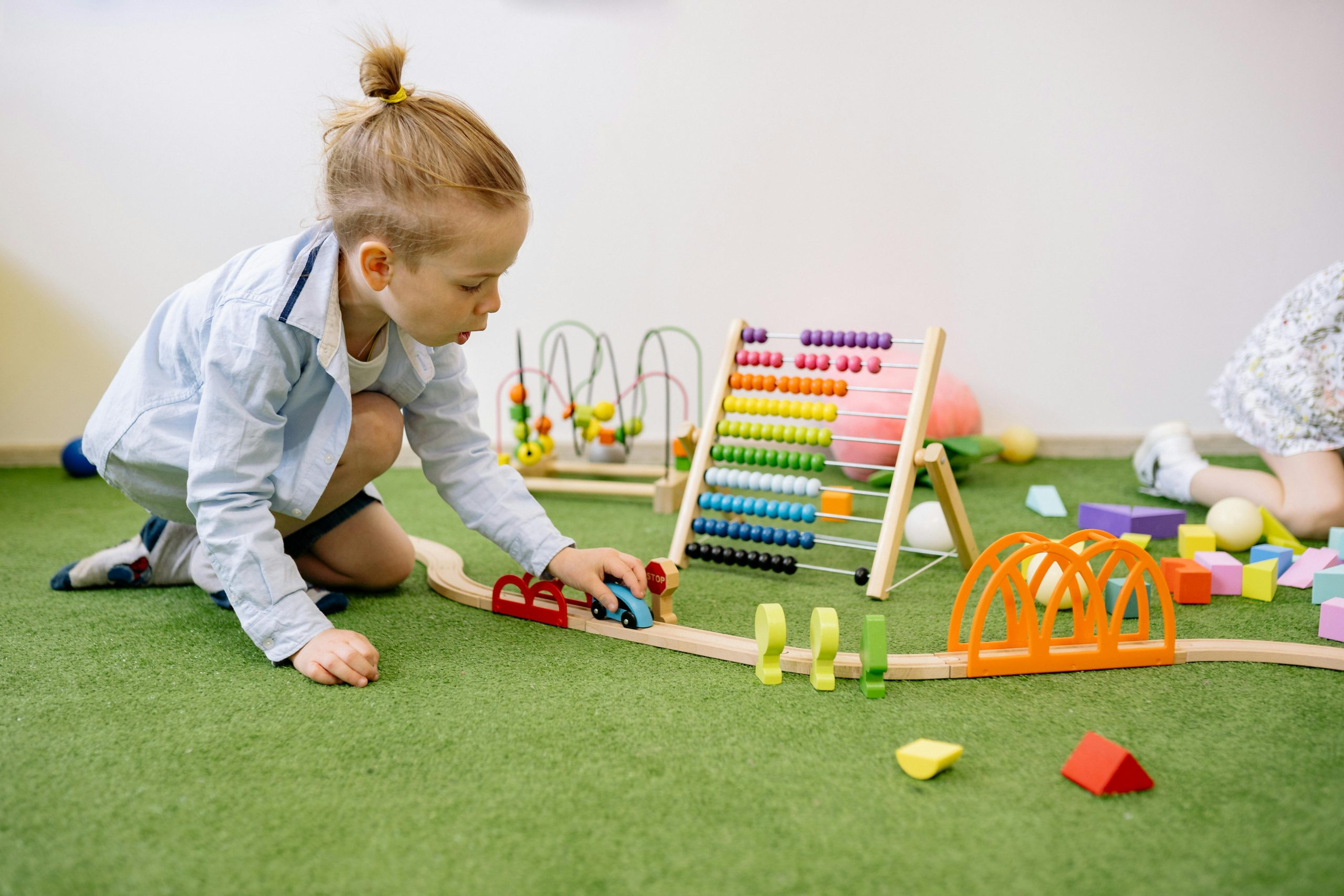
The Importance of Play in Early Childhood Education
Before diving into the specifics of incorporating games into education, it’s important to first understand the value of play in early childhood. Play is a natural and universal activity that allows children to make sense of the world around them. Through play, children develop important cognitive, social, emotional, and physical skills. It also aids in their creativity, problem-solving abilities, and language development. In short, play is an essential aspect of a child’s development and should not be underestimated.
The Role of Games in Early Childhood Education
Incorporating games into early childhood education not only makes learning more engaging and enjoyable for children but also enhances their learning outcomes. Games serve as a powerful tool for educators to foster the skills and abilities that are crucial for children’s development. Here are a few ways in which games can benefit early childhood education:
Promotes Active Learning
The traditional methods of teaching often involve rote memorization and passive learning, which can be monotonous for young learners. Games, on the other hand, are naturally engaging and encourage children to participate actively. They provide a hands-on learning experience that motivates children to think critically and creatively. By immersing themselves in the game, they are able to fully engage with the material and retain it better.
Encourages Problem-Solving Skills
No matter the type of game, it requires players to strategize, think critically, and make quick decisions. These are all essential skills that are necessary for problem-solving. By playing different games, children learn to think outside the box and come up with unique solutions to challenges. This not only helps them in their academic pursuits but also equips them with vital life skills that will benefit them in the future.
Enhances Social and Emotional Development
Games offer a fun and safe environment for children to interact with their peers. Playing games together fosters teamwork, cooperation, and communication skills. It also teaches children how to manage their emotions, handle conflicts, and practice good sportsmanship. By playing games, children learn how to build relationships and develop empathy, which are crucial social and emotional skills that will serve them throughout their lives.
Integrating Games into Early Childhood Curriculum
Integrating games into early childhood education doesn’t mean replacing traditional teaching methods entirely. Instead, it involves finding a balance between games and other learning activities. Games can be incorporated into the curriculum in a variety of ways, such as:
Use of Educational Games as Teaching Aids
There are countless educational games available that cover a wide range of subjects and topics. These games can be used by educators to supplement their lessons and make learning more engaging and interactive. For instance, a math teacher can use a game to help students practice addition and subtraction, while an English teacher can use a word-building game to enhance vocabulary skills.
Creating Game-Based Activities
Games can also serve as inspiration for creating activities and projects that are centered around a specific lesson. For example, a science teacher can have students play a virtual simulation game to learn about the planets in the solar system. They can then use this knowledge to create a model of the solar system as a project.
Incorporating Learning Objectives into Games
Another way to integrate games into education is by directly incorporating learning objectives into the game. This could be done by creating a game that requires students to solve math problems or answer questions related to a certain topic. By doing so, children are able to learn while having fun and challenging themselves.
Conclusion
The power of play in early childhood education cannot be denied. Games provide a platform for children to learn, grow, and develop in a fun and engaging manner. By using games as a tool, educators can maximize learning outcomes and help children acquire skills that will benefit them not only academically but also in their personal lives. As technology continues to advance, it’s important for educators to embrace the use of games in education and harness its potential to transform the learning experience for young minds.