The Future of Textbooks: Integrating Augmented Reality Experiences
The world of education is constantly evolving, with new technologies and innovations shaping the way students learn. One of the most exciting developments in recent years is the integration of augmented reality (AR) experiences in textbooks. AR allows students to interact with digital content in a more immersive and engaging way, enhancing their understanding and retention of information. As we look towards the future, it’s clear that AR has the potential to revolutionize the way we approach textbooks.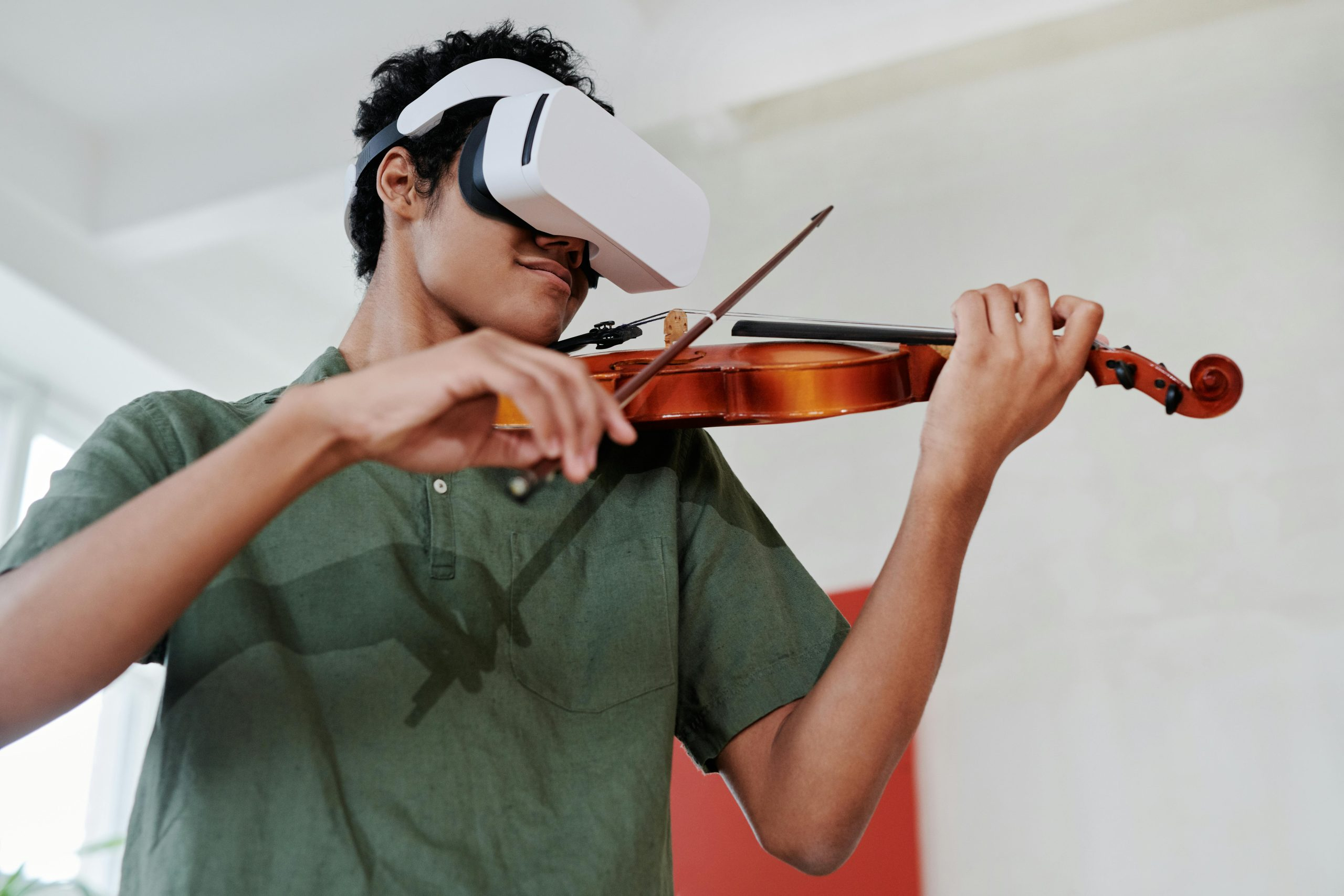
The Benefits of Augmented Reality in Education
Before we delve into the potential impact of AR on textbooks, let’s first explore why this technology is gaining so much traction in the education world. The first and most obvious benefit is the level of engagement it provides for students. Unlike traditional textbooks which may be dull and static, AR brings learning to life by allowing students to interact with 3D models, animations, and simulations. This not only makes learning more fun but also helps students better understand complex concepts and retain information.
Another significant advantage of AR in education is its ability to cater to different learning styles. While some students may learn best through reading and writing, others may be more visual or kinesthetic learners. AR provides a multi-sensory learning experience that can be tailored to meet the needs of all students, regardless of their learning style.
Moreover, AR can break down geographical barriers and provide access to educational content that may not be available in a traditional classroom setting. This is particularly beneficial for students in rural or remote areas, as well as those with physical disabilities that may limit their mobility.
The Evolution of Textbooks: From Print to Digital to AR
The introduction of AR in textbooks can be seen as the next step in the evolution of educational materials. When textbooks first emerged, they were primarily in a print format, with limited visuals and interactive features. Then came the era of digital textbooks, which offered more interactive features like embedded videos and quizzes. However, even with these advancements, textbooks still remained relatively passive learning tools.
With the incorporation of AR experiences, textbooks are moving towards a more active and immersive learning experience. Students can now interact with content in a way that was previously not possible, such as exploring the human body in 3D or taking a virtual tour of historical sites. This hands-on approach to learning not only increases student engagement but also allows for a deeper understanding of complex concepts.
The Future of Textbooks and AR Integration
So what does the future hold for textbooks and AR integration? Many experts believe that AR has the potential to completely transform the way we approach education. Imagine a world where textbooks come to life, where students can step into historical events or explore the depths of the ocean through interactive AR experiences. This level of engagement and immersion can greatly enhance learning and make it more enjoyable for students.
Another exciting possibility is the integration of AR into assessment methods. With AR, students can showcase their knowledge and understanding through interactive presentations or projects, rather than traditional written exams. This not only provides a more accurate representation of a student’s abilities but also allows for a more creative and engaging assessment process.
The Importance of Proper Implementation
As with any new technology, proper implementation is key to ensuring its success in education. For AR to truly revolutionize textbooks, it’s essential that educators are trained in how to incorporate it effectively into their teaching methods. It’s also important to consider the cost implications, as AR technology can be expensive and may not be accessible to all schools.
There is also the issue of ensuring equitable access for all students. AR experiences should not replace traditional textbooks, as not all students will have access to the necessary devices or internet connection. It’s crucial that AR is used as a supplemental tool, alongside traditional textbooks, to provide a balanced and inclusive learning experience.
Conclusion
The future of textbooks is undoubtedly headed towards a more interactive and immersive approach with the integration of AR experiences. While there are certainly challenges to be addressed, the potential benefits of AR in education are undeniable. By providing a more engaging and personalized learning experience, AR has the ability to enhance student learning and revolutionize the way we approach education in the future.