The Future of Traffic Management: Smart Roads and Signals
With the ever-growing population and the increase in number of vehicles on the road, traffic management has become a significant challenge for cities around the world. Traffic congestion not only causes frustration for commuters but also results in a massive waste of time and resources. Inefficient traffic management also contributes to air pollution and accidents. As the world continues to advance in technology, the traditional methods of traffic management are becoming outdated. The future of traffic management lies in the adoption of smart roads and signals. With the use of advanced technology and data-driven solutions, smart roads and signals have the potential to revolutionize the way we manage traffic in our cities. In this article, we will explore the concept of smart roads and signals and how they are expected to shape the future of traffic management.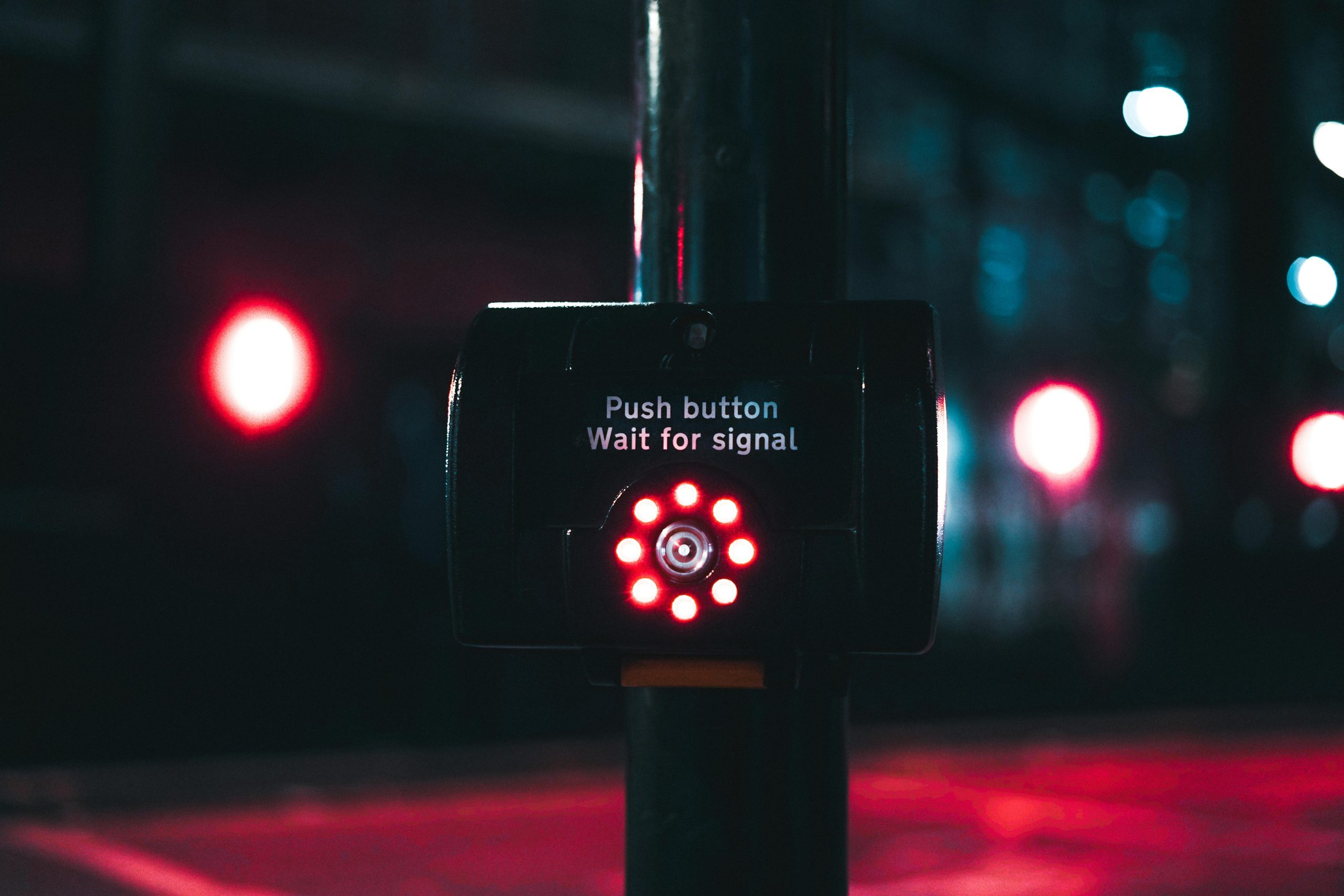
The Evolution of Traffic Management
The need for efficient traffic management has been recognized for many years now. From basic traffic rules and regulations to the implementation of traffic signals and road signs, we have come a long way in managing traffic. The introduction of GPS and traffic reporting applications has also helped in providing real-time traffic information and alternative routes to drivers. However, these solutions have their limitations and are not enough to cater to the traffic demands of growing cities. This is where the concept of smart roads and signals comes into play.
What are Smart Roads and Signals?
Smart roads and signals refer to the integration of advanced technology into our road infrastructure. This includes the use of sensors, cameras, and other communication devices to monitor traffic flow and provide real-time data to traffic management systems. These systems analyze the data and adjust traffic signals and signage accordingly, to improve the traffic flow.
Sensors and Cameras
The use of sensors and cameras allows for the collection of data such as vehicle volume, speed, and road conditions. This information is then transmitted to the central control system which uses algorithms to analyze the data and make necessary adjustments to traffic signals. For instance, if the sensors detect a traffic buildup on a particular road, the system can change the signal timings to give priority to that direction, thus reducing congestion.
Real-time Data and Predictive Analytics
One of the significant advantages of smart roads and signals is the use of real-time data and predictive analytics. This means that the traffic management system can make decisions based on the current traffic situation and predict future traffic patterns. By analyzing historical data, the system can anticipate traffic congestion, accidents, and other potential issues and take proactive measures to prevent them. This not only helps in reducing traffic jams but also improves safety on the roads.
The Benefits of Smart Roads and Signals
The implementation of smart roads and signals has the potential to provide numerous benefits to both commuters and city authorities. Some of the significant advantages include:
Reduced Traffic Congestion
The primary purpose of smart roads and signals is to improve traffic flow and reduce congestion. By using real-time data and predictive analytics, the system can make decisions that help in reducing traffic buildup and improving overall travel time. This means less time spent on the road for commuters and a significant reduction in carbon emissions caused by idling vehicles.
Better Safety
The use of sensors and cameras allows for the detection of potential hazards on the road, such as accidents or obstacles. The system can then quickly alert drivers and re-route them to avoid the danger. This can significantly reduce the number of road accidents and help in improving road safety.
Improved Efficiency and Cost Savings
Smart roads and signals can help in optimizing the use of resources such as fuel and time. With better traffic flow, vehicles spend less time on the road, resulting in lower fuel consumption and cost savings for commuters. The reduction in traffic congestion also means fewer delays and improved productivity for businesses that rely on timely transportation of goods and services.
The Future is Here
The concept of smart roads and signals is no longer just a vision for the future, but a reality. Some cities around the world have already implemented these solutions, and the results have been promising. With the rapid advancement in technology, we can expect to see more cities embracing this concept to improve their traffic management systems.
However, the implementation of smart roads and signals comes with its challenges. Significant investments and proper planning are required to build the necessary infrastructure and integrate the systems. The concept is also heavily reliant on technology, which means that these systems need to be regularly maintained and upgraded to ensure they function efficiently.
In Conclusion
The future of traffic management lies in the adoption of smart roads and signals. With the use of advanced technology and data-driven solutions, we can overcome the challenges posed by traffic congestion and improve the overall commuting experience. However, it is crucial to ensure that the implementation of these systems is done with proper planning and considerations to make them sustainable and efficient in the long run. With the promise of reduced congestion, improved safety, and cost savings, the future of traffic management looks brighter with smart roads and signals.