How Digital Audio Workstations Transformed Home Recording Studios
Before the advent of digital audio workstations, home recording studios were limited by the tools and technology available. Professional-quality recordings required expensive equipment and dedicated studio spaces, making it nearly impossible for aspiring musicians and producers to create their own music without a significant financial investment. However, with the rise of digital audio workstations (DAWs), the landscape of home recording studios has been completely transformed. These powerful software programs have revolutionized the way music is recorded, allowing for greater accessibility, flexibility, and creativity in the recording process. In this article, we will explore how DAWs have reshaped home recording studios and made it possible for anyone to produce high-quality music from the comfort of their own home.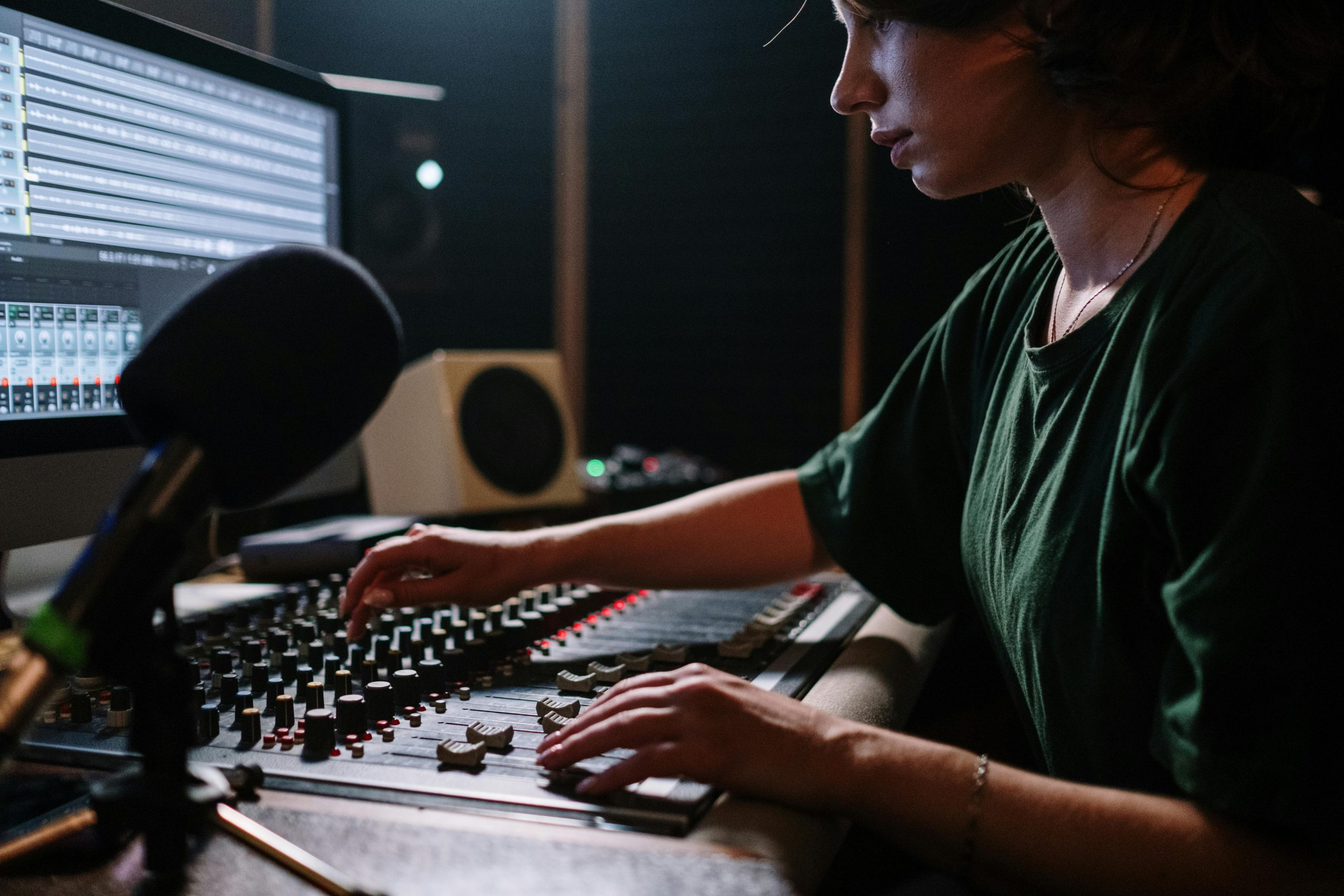
The Evolution of Home Recording Studios
Home recording studios have a long and storied history, dating back to the late 19th century when Thomas Edison invented the phonograph. Over the years, advancements in technology have made it easier for musicians and producers to create recordings outside of traditional recording studios. In the 1950s, magnetic tape recording technology was introduced, allowing for multi-track recording and editing. This was followed by the introduction of the cassette tape in the 1960s, which made recording even more accessible to the general public. However, it wasn’t until the digital revolution in the late 20th century that home recording truly took off.
The Rise of Digital Audio Workstations
The first digital audio workstation, Soundstream, was introduced in the late 1970s. But it wasn’t until the 1990s that DAWs became widely available and affordable for home recording use. Pro Tools, the industry standard for professional recording, was released in 1991 and quickly became the go-to DAW for many musicians and producers. With the introduction of personal computers and affordable recording interfaces, home recording studios could now rival the sound quality of professional recording studios.
Accessibility and Affordability
One of the biggest advantages of DAWs is their accessibility and affordability. No longer are musicians and producers limited by their financial resources or access to a dedicated recording studio. With a computer and a DAW, anyone can create music from the comfort of their own home. This has democratized the music industry, allowing for a more diverse range of voices to be heard.
Furthermore, DAWs are constantly evolving, with new technologies and features being added all the time. This means that aspiring musicians and producers can continue to improve and refine their craft without needing to constantly invest in new equipment.
The Flexibility of Digital Audio Workstations
In addition to accessibility and affordability, DAWs offer a level of flexibility that was previously unimaginable in the recording process. With traditional recording methods, mistakes had to be redone from scratch, leading to a significant waste of time and resources. However, with DAWs, mistakes can easily be corrected with the use of digital editing tools. This saves valuable time and allows for a more efficient recording process.
Additionally, DAWs offer a wide range of virtual instruments and effects, allowing for a virtually limitless palette of sounds and tones. This level of versatility and customization was unheard of in traditional recording studios and has opened up endless creative possibilities for musicians and producers.
The Impact on the Music Industry
Digital audio workstations have not only transformed the way music is recorded but also the music industry as a whole. With the rise of streaming platforms, the demand for high-quality recordings has skyrocketed. DAWs have made it possible for independent artists to produce professional-quality recordings, giving them a level playing field with major record labels. This has led to a diverse and vibrant music landscape, with a wider range of voices and genres being represented in the industry.
The Future of Home Recording Studios
As technology continues to advance, the future of home recording studios looks bright. DAWs are constantly evolving and becoming more powerful, offering even more tools and features for musicians and producers. Additionally, with the rise of virtual reality and artificial intelligence, the possibilities for immersive and innovative recording experiences are endless.
In conclusion, digital audio workstations have transformed home recording studios, making it possible for anyone to create professional-quality music from the comfort of their own home. The accessibility, affordability, flexibility, and impact on the music industry make DAWs a game-changer in the world of music production. As technology continues to advance, the future of home recording looks even more promising, with endless possibilities for creativity and innovation.