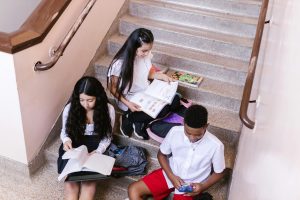
Transforming Libraries into Collaborative Learning Hubs for Students
Welcome to the new era of libraries – one where they are no longer just a quiet place to study and borrow books, but a bustling center for collaboration and learning. Libraries are evolving from silent spaces to interactive hubs, where students can engage, explore, and create together. In today’s digital age, where information is readily available at our fingertips, libraries are transforming to stay relevant and provide a richer learning experience for students. In this article, we will dive into how libraries are being transformed into collaborative learning hubs and the impact it has on students.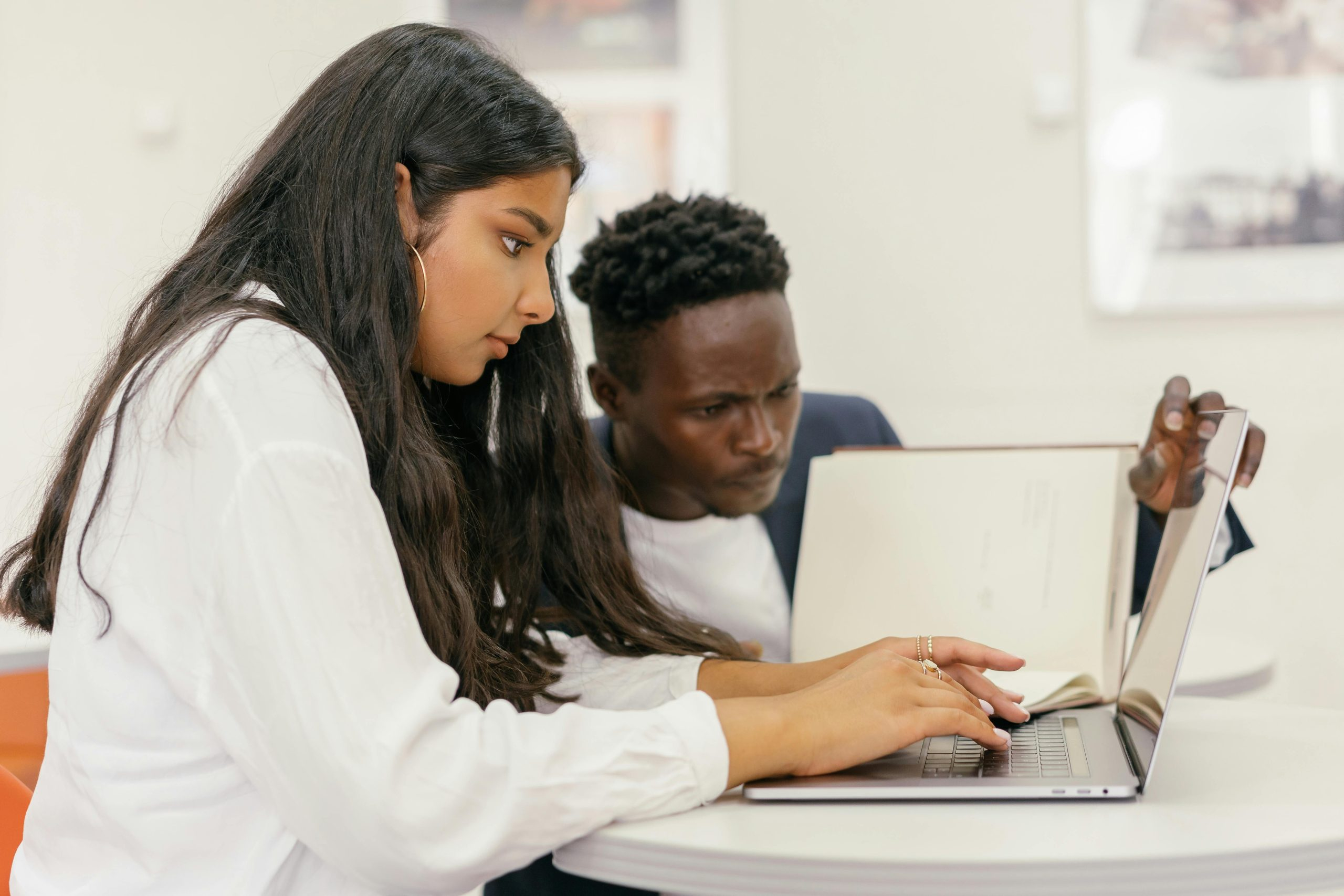
Why Transform Libraries?
Gone are the days when libraries were solely filled with shelves of books and strict rules of silence. As technology continues to advance and learning becomes more dynamic, libraries must adapt to meet the changing needs of students. According to the American Library Association, libraries are shifting from being a “repository of knowledge to a laboratory for learning.”
In today’s fast-paced society, students need a space where they can not only access information but also connect and collaborate with others. Libraries have the potential to be the perfect environment for this. With their established reputation as a place for learning and resources, libraries are now reimagining themselves as collaborative learning hubs.
How are Libraries Transforming?
Flexible Spaces
Gone are the days of solely having rows of bookshelves and strict quiet policies. Libraries are now being designed with flexible spaces that cater to different learning styles and activities. This includes group study rooms, open seating areas, and even maker spaces equipped with tools for hands-on learning.
These flexible spaces allow students to choose a setting that best suits their learning needs, whether it be collaborating with a group or working independently. This shift in design not only makes libraries more welcoming and inclusive but also promotes a sense of community and teamwork among students.
Digital Resources
As technology continues to advance, so do the resources available in libraries. Libraries are investing in digital resources such as online databases, e-books, and multimedia tools to provide students with access to a wide range of information and learning materials.
These resources not only enhance the learning experience but also prepare students for the digital world they will enter after graduation. With the availability of online resources, libraries are no longer limited by physical space, allowing students to access information from anywhere at any time.
Collaborative Programs and Events
Libraries are not just a space for individual learning, they are also becoming hubs for collaborative programs and events. These programs bring students together to share ideas, learn from one another, and develop important skills such as critical thinking, communication, and teamwork.
Some libraries are even partnering with local organizations and businesses to provide students with real-world learning opportunities. These collaborations not only benefit students academically but also prepare them for the workforce.
The Impact of Collaborative Learning Hubs on Students
The transformation of libraries into collaborative learning hubs has a positive impact on students in several ways. Firstly, it promotes a sense of community and teamwork among students. By working together, students can learn from one another and bring out each other’s strengths.
Secondly, it enhances the learning experience by providing a variety of resources and learning opportunities. Students have access to a wealth of information and hands-on learning experiences that can help them better understand concepts and apply their knowledge.
Collaborative learning hubs also prepare students for the real world by developing important skills such as communication, problem-solving, and collaboration. These skills are highly sought after by employers and are crucial for success in any field.
In Conclusion
Libraries are no longer the silent and solely academic spaces they once were. They are now bustling hubs of collaboration and learning, providing students with a dynamic and inclusive environment to thrive in. With the transformation of libraries, students can learn, create, and grow together, preparing them for a successful future in the digital age.
So the next time you step into your local library, take a moment to appreciate how it has evolved into a collaborative learning hub for you and your peers. Who knows, you may just find your next study group or be inspired to create something amazing with the resources and support available to you.