Investing in Infrastructure: Designing Modern School Buildings Effectively
As the world continues to progress and evolve, it is crucial that our educational institutions keep up with the changing times. This includes investing in modern school buildings that are equipped to provide students with an environment conducive to learning and growth. With the increasing demand for quality education, the need for well-designed and efficient school buildings has become more pressing than ever before. In this article, we will discuss the importance of investing in school infrastructure and the key factors that contribute to designing modern school buildings effectively.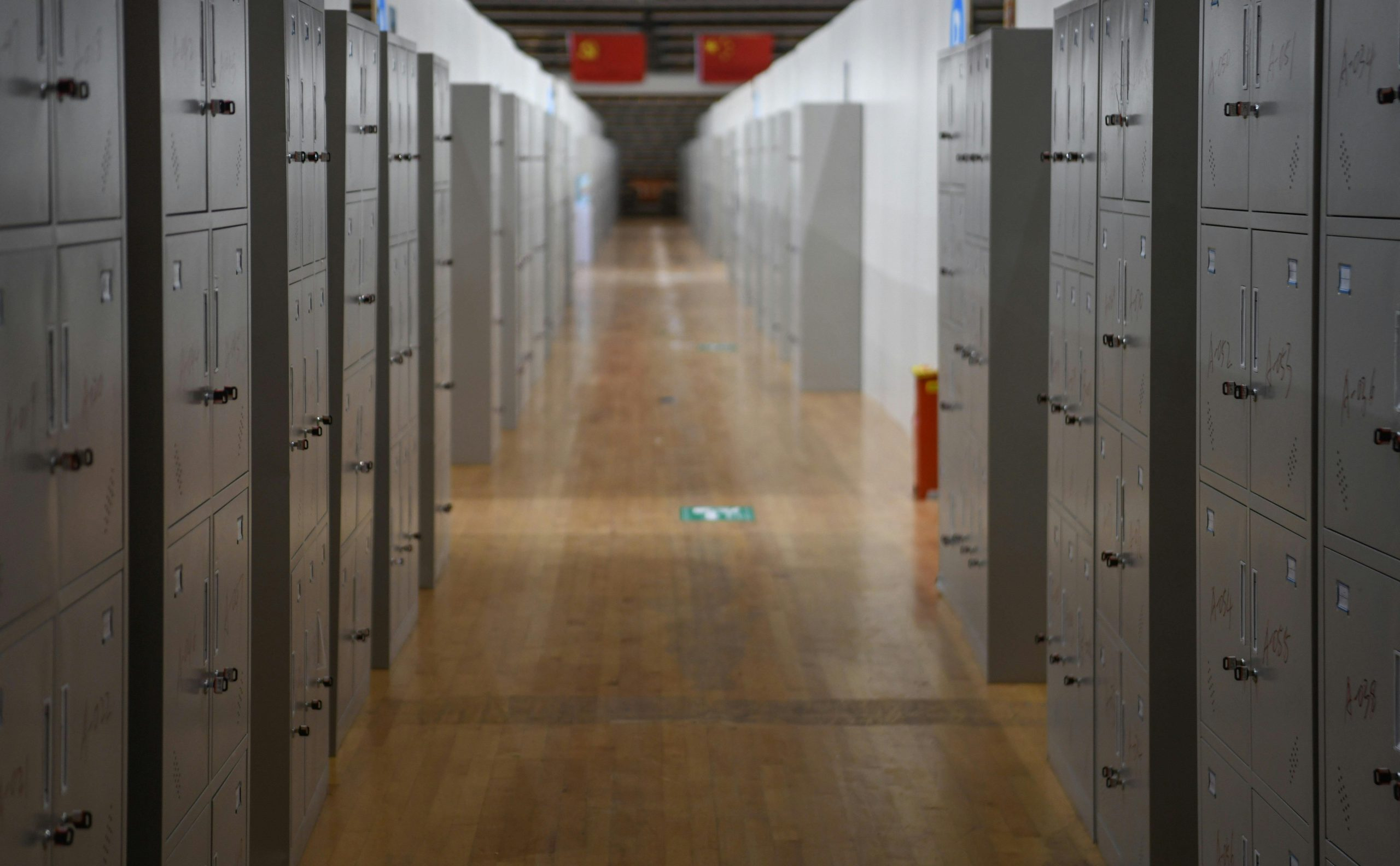
The Importance of Investing in School Infrastructure
Infrastructure plays a significant role in the overall performance and success of a school. It includes everything from the physical structure of the building to the equipment and technology used inside. A well-designed and maintained school building can significantly impact the learning experience of students and the productivity of teachers.
Investing in school infrastructure not only benefits the students and staff but also the community as a whole. It can attract new families to the area, boost the local economy, and increase the value of nearby properties. Moreover, modern school buildings are also more energy-efficient and environmentally friendly, contributing to a greener future.
The Key Factors of Designing Modern School Buildings Effectively
1. Safety and Security
The safety and security of students and staff should be the top priority when it comes to designing school buildings. This includes measures such as secure entrances, surveillance systems, and emergency procedures in case of natural disasters or other emergencies. Investing in these features not only ensures the protection of individuals inside the school but also creates a sense of peace and comfort for parents.
2. Flexibility and Adaptability
School buildings should be designed to cater to the changing educational needs and teaching methods. This requires a flexible and adaptable design that can facilitate various learning styles and can easily be modified to accommodate future advancements in education. Classrooms should be equipped with moveable furniture, technology-friendly setups, and spaces for collaboration and group work.
3. Technology Integration
In today’s digital age, technology is an integral part of any educational institution. Therefore, school buildings must be designed to incorporate the use of technology in the learning process. This includes high-speed internet access, multimedia equipment, and dedicated computer labs. Moreover, the design should also allow for future updates and advancements in technology.
4. Natural Lighting and Ventilation
Natural light and ventilation play a crucial role in creating a healthy and productive learning environment. School buildings should be designed to maximize the use of natural light and ventilation, reducing the need for artificial lighting and air conditioning. This not only lowers energy costs but also has a positive effect on the well-being and concentration of students and teachers.
5. Aesthetics and Comfort
The design of school buildings should also take into consideration the aesthetic appeal and comfort of the space. This includes elements like color schemes, ergonomic furniture, and proper acoustics. A visually appealing and comfortable school environment can have a significant impact on the students’ emotional and mental well-being, creating a more positive learning experience.
Conclusion
Investing in infrastructure and designing modern school buildings effectively is crucial for the growth and success of educational institutions. It not only benefits the students and staff but also has a positive impact on the community and the environment. By considering key factors such as safety, flexibility, technology integration, natural lighting, and comfort, schools can create a conducive learning environment that prepares students for a bright future.