Exploring the Benefits of Experiential Learning Through Field Trips
In today’s fast-paced and technology-driven society, it can be easy for students to become disconnected from the real world. As educators, it is our responsibility to provide students with meaningful and engaging learning experiences that go beyond traditional textbooks and lectures. This is where experiential learning through field trips comes in. Field trips allow students to actively engage with the subject matter, apply their knowledge in real-world situations, and foster a deeper understanding of the world around them. In this article, we will explore the numerous benefits of experiential learning through field trips and why it should be an essential component of every student’s education.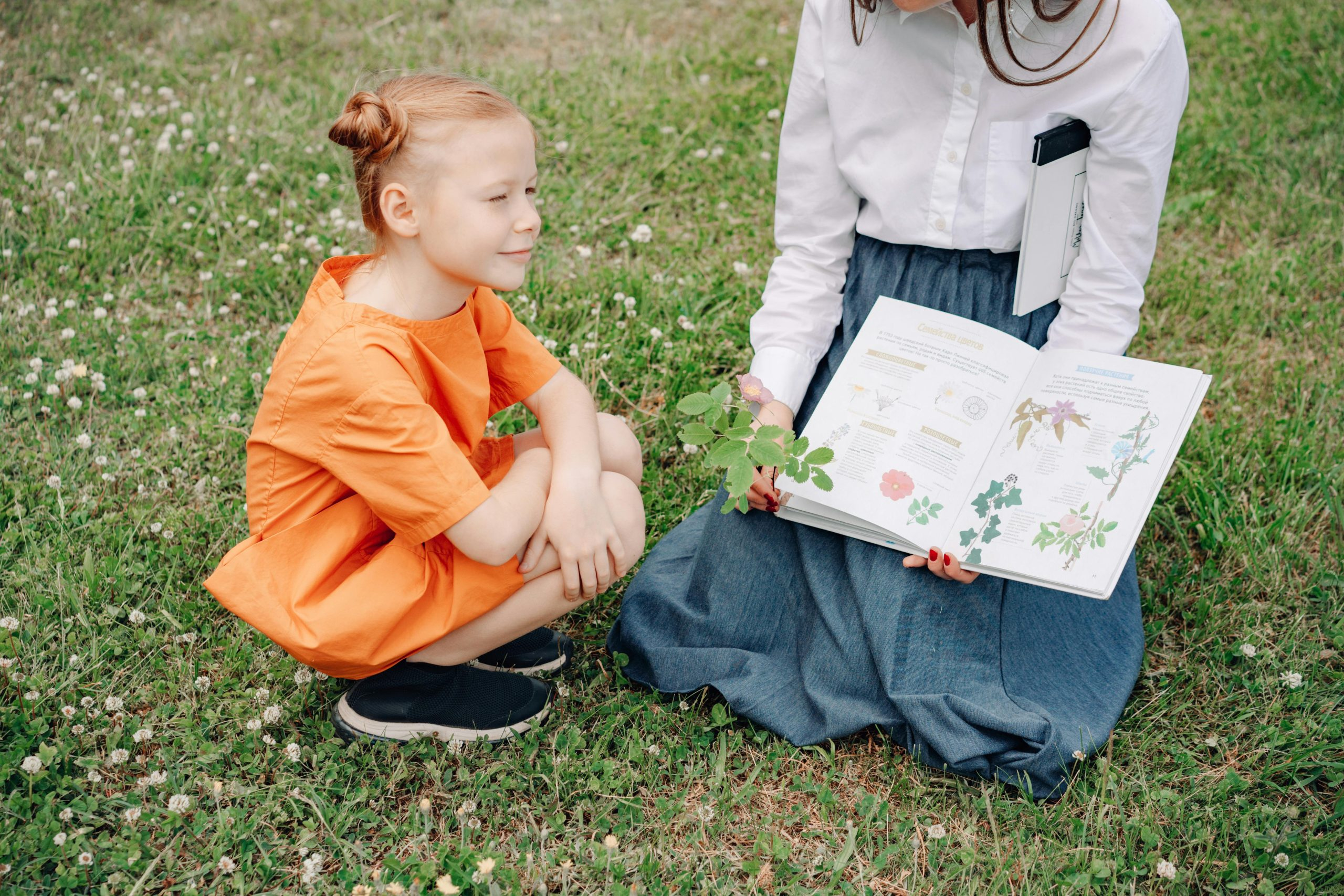
The Power of Experiential Learning
Experiential learning is a teaching method that emphasizes the direct experience and active involvement of students in their own learning process. It involves hands-on activities, role-playing, simulations, field trips, and other forms of active learning. This approach to learning has been proven to be more effective than passive learning methods, such as lectures and reading.
Field trips, in particular, are a powerful form of experiential learning as they allow students to see and experience real-world applications of the concepts they learn in the classroom. It bridges the gap between theory and practice, making the learning experience more meaningful and relevant to students’ lives.
Enhances Learning Retention
One of the primary benefits of experiential learning through field trips is that it enhances students’ retention of information. By engaging in hands-on activities, students are more likely to remember the concepts and skills learned during the field trip. This is because they are actively involved in the learning process, which allows them to make connections between what they already know and what they are experiencing.
Moreover, students are more likely to remember the information when they associate it with positive emotions and tangible experiences. Field trips provide a break from the monotonous routine of the classroom, making the experience more exciting and memorable for students. This, in turn, leads to better retention of information and a deeper understanding of the subject matter.
Fosters a Deeper Understanding
Experiential learning through field trips also fosters a deeper understanding of the subject matter. Traditional teaching methods often focus on rote learning and memorization, which can be dull and unengaging for students. Field trips, on the other hand, allow students to see the practical applications of what they are learning, making the concepts more tangible and relatable.
For example, when learning about environmental science, a field trip to a national park or nature reserve can provide students with a hands-on understanding of the different ecosystems and the importance of conservation. This not only reinforces their knowledge of the subject but also instills a sense of responsibility and care for the environment.
Encourages Critical Thinking and Problem-Solving
Experiential learning through field trips encourages students to think critically and solve problems in real-world situations. By being exposed to new and unfamiliar environments, students are challenged to think outside the box and apply their knowledge in a practical setting. This not only develops their problem-solving skills but also encourages creative thinking and innovation.
Additionally, field trips often involve group activities and team-building exercises. This allows students to collaborate and work together to solve problems, promoting teamwork and communication skills. These are essential skills that students need to succeed in the workforce and in life.
Conclusion
In conclusion, experiential learning through field trips is a valuable teaching method that offers numerous benefits to students. It enhances retention of information, fosters a deeper understanding of the subject matter, promotes critical thinking and problem-solving skills, and instills important life skills. As educators, it is our responsibility to provide students with the best possible learning experiences, and field trips are an essential component of that. So, let’s step outside the classroom and embark on a journey of experiential learning with our students to help them reach their full potential.