The Evolution of Formal Wear: Black Tie to Modern Interpretations
The saying goes, “dress for success”, and nothing embodies success and sophistication quite like formal wear. For decades, formal attire has been a staple of fancy events, from black tie galas to elegant weddings. But have you ever wondered where formal wear originated from and how it has evolved over time? In this article, we will take a closer look at the evolution of formal wear, specifically the transition from traditional black tie dress code to modern interpretations. Let’s dive in and explore the fascinating history of formal wear.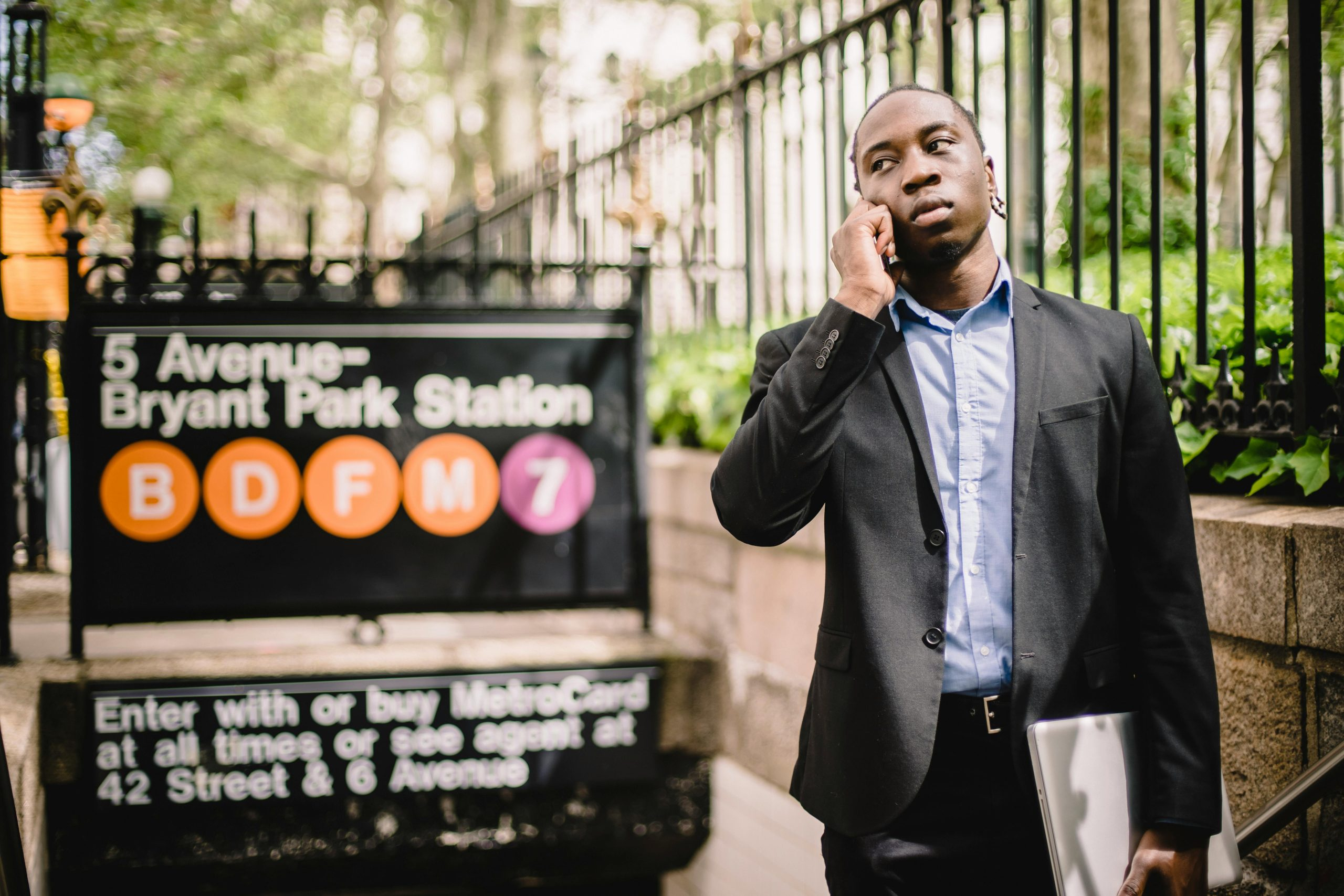
The Origin of Formal Wear
The concept of formal wear can be traced back to the 19th century, where it was primarily worn by men of the upper class. At that time, formal attire consisted of tailcoats, top hats, and gloves, which were considered essential for attending fancy events and social gatherings. These clothes were made of high-quality fabrics and were often intricately designed, showcasing the wealth and status of the wearer.
Evolution to Black Tie Attire
As fashion trends changed, formal wear also underwent a transformation. In the early 20th century, tuxedos were introduced as an alternative to the traditional tailcoat. This new attire, known as “dinner jackets”, was considered less formal and was mainly worn for semi-formal events. However, with the increasing popularity of this attire, it eventually became the standard for formal events and was renamed as “black tie” attire.
The Classic Black Tie Look
The classic black tie look is characterized by a black tuxedo jacket, black trousers, and a white dress shirt. This look is completed with a black bow tie, black or patent leather shoes, and a cummerbund or waistcoat. The simplicity and elegance of this look have made it a timeless choice for formal events, and it is still widely worn today.
Modern Interpretations of Formal Wear
In recent years, the traditional black tie attire has undergone some exciting changes, giving rise to modern interpretations of formal wear. These modern interpretations aim to merge contemporary style with traditional formal attire, resulting in unique and eye-catching looks.
The Colored Tuxedo
One of the most popular modern interpretations of formal wear is the colored tuxedo. Instead of the classic black, bold and vibrant colors such as navy, burgundy, and emerald have been introduced, providing a fresh and sophisticated twist to traditional black tie attire. This look is perfect for those who want to make a bold fashion statement at formal events.
The Dressy Suit
An emerging trend in formal wear is the dressy suit, which offers a more relaxed and casual alternative to tuxedos. This look combines a dress shirt with suit trousers and a jacket, often without a tie. The suit can be accessorized with a pocket square and a dressy pair of shoes to add a touch of formality. This modern interpretation is ideal for those who want to be comfortable while still looking stylish at upscale events.
The Creative Black Tie Look
The most experimental and daring of all modern interpretations is the creative black tie look. This look allows for more freedom and creativity, incorporating unconventional elements such as patterned jackets, unusual color combinations, and unique accessories. While some may view this as a deviation from traditional formal wear, it provides an opportunity for individuals to express their personal style and stand out from the crowd.
In Conclusion
The evolution of formal wear is a testament to how fashion evolves with time. From the traditional tailcoat to the modern interpretations of black tie attire, formal wear continues to evolve, offering a variety of options for individuals to dress up for formal events. Whether you prefer the classic black tie look or want to experiment with modern interpretations, one thing remains constant – formal wear will always be a symbol of elegance and sophistication.