Essential Maintenance for Maximizing Engine Performance

If you want your car’s engine to function at its best, regular maintenance is a must. Just like any other machinery, your engine requires proper care and attention to ensure it performs at its peak potential. And with the ever-increasing prices of gas, it’s essential to keep your engine in top shape to maximize its performance and improve its fuel efficiency. In this article, we’ll discuss some essential maintenance tips that will help you optimize your engine’s performance.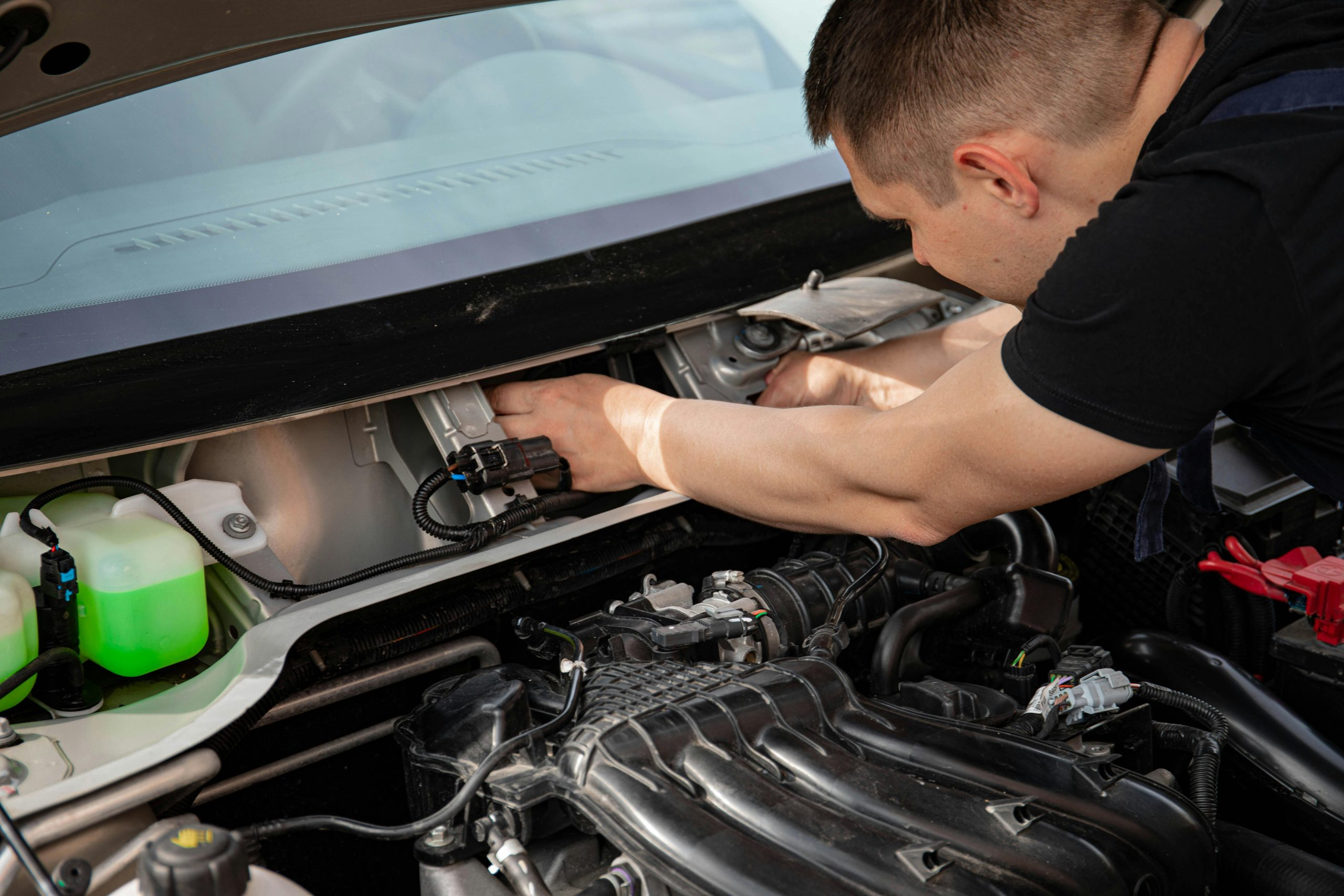
Main Components of Engine Performance
Before diving into the maintenance tips, let’s briefly go over the main components of engine performance.
Fuel System
The fuel system is responsible for providing your engine with the correct mixture of air and fuel, allowing it to generate power. If the fuel system is dirty or clogged, your engine will struggle to perform efficiently, resulting in reduced fuel economy and power.
Spark Plugs
The spark plugs are responsible for igniting the air-fuel mixture in the combustion chamber, providing the necessary power to keep your engine running. If your spark plugs are worn out or dirty, your engine’s performance will decline, and you may experience problems with starting your car.
Oil System
The oil system is crucial for lubricating the moving parts of your engine, reducing friction and wear. If the oil is old or contaminated, it can’t do its job effectively, leading to poor engine performance and potential damage to your engine.
Essential Maintenance Tips
Regular Oil Changes
Regular oil changes are essential for keeping your engine running at its best. As oil ages, it becomes less effective at lubrication, leading to increased friction and wear on the engine’s components. It’s recommended to change your oil every 5,000 to 7,500 miles, depending on your driving habits and vehicle’s manufacturer recommendations.
Keep Your Fuel System Clean
To ensure your engine receives the proper air-fuel mixture, it’s crucial to keep your fuel system clean. This means regularly replacing your fuel filter and using fuel system cleaners to remove any dirt, debris, or buildup that may be present in your fuel system. A clean fuel system will help your engine perform at its best and improve fuel efficiency.
Inspect and Replace Spark Plugs
Spark plugs play a crucial role in your engine’s performance, so it’s important to regularly inspect and replace them as needed. If your spark plugs are worn out, they won’t provide a strong enough spark, resulting in a decrease in engine power and fuel efficiency. Generally, spark plugs should be replaced every 30,000 miles, but check your vehicle’s manual for specific recommendations.
Check and Change Your Air Filter
The air filter is responsible for filtering out dirt and debris from the air entering your engine. If your air filter is clogged, your engine will struggle to pull in enough air, leading to decreased performance and fuel efficiency. It’s recommended to change your air filter every 15,000 to 30,000 miles, depending on your driving conditions.
Don’t Ignore Warning Lights
Modern vehicles are equipped with warning lights to alert you of potential problems with your engine. If you see a warning light, don’t ignore it. Have your vehicle checked by a mechanic to determine the issue and address it before it becomes a more significant and costlier problem.
The Importance of Regular Maintenance
Regular maintenance not only helps improve your engine’s performance, but it also helps extend its lifespan. By keeping your engine in top shape, you can avoid costly repairs and breakdowns in the future. Additionally, regular maintenance can also improve your vehicle’s safety and decrease harmful emissions, making it a win-win for both you and the environment.
In Conclusion
Your engine is the heart of your vehicle, and keeping it well-maintained is crucial for optimal performance. By following the essential maintenance tips mentioned in this article, you can maximize your engine’s performance, improve fuel efficiency, and save yourself from costly repairs in the long run. Don’t neglect your engine – regular maintenance is the key to keeping it running at its best.