Preparing Your House for Severe Weather and Climate Change
As climate change continues to bring about extreme weather events such as hurricanes, floods, and wildfires, it is more important than ever to prepare our homes for these potential disasters. Severe weather can cause extensive damage to our houses, leading to costly repairs and disruptions in our lives. By taking proactive steps to protect our homes, we can minimize the impact of severe weather and climate change and keep our families safe and secure. In this article, we will discuss some of the key strategies for preparing your house for severe weather and climate change.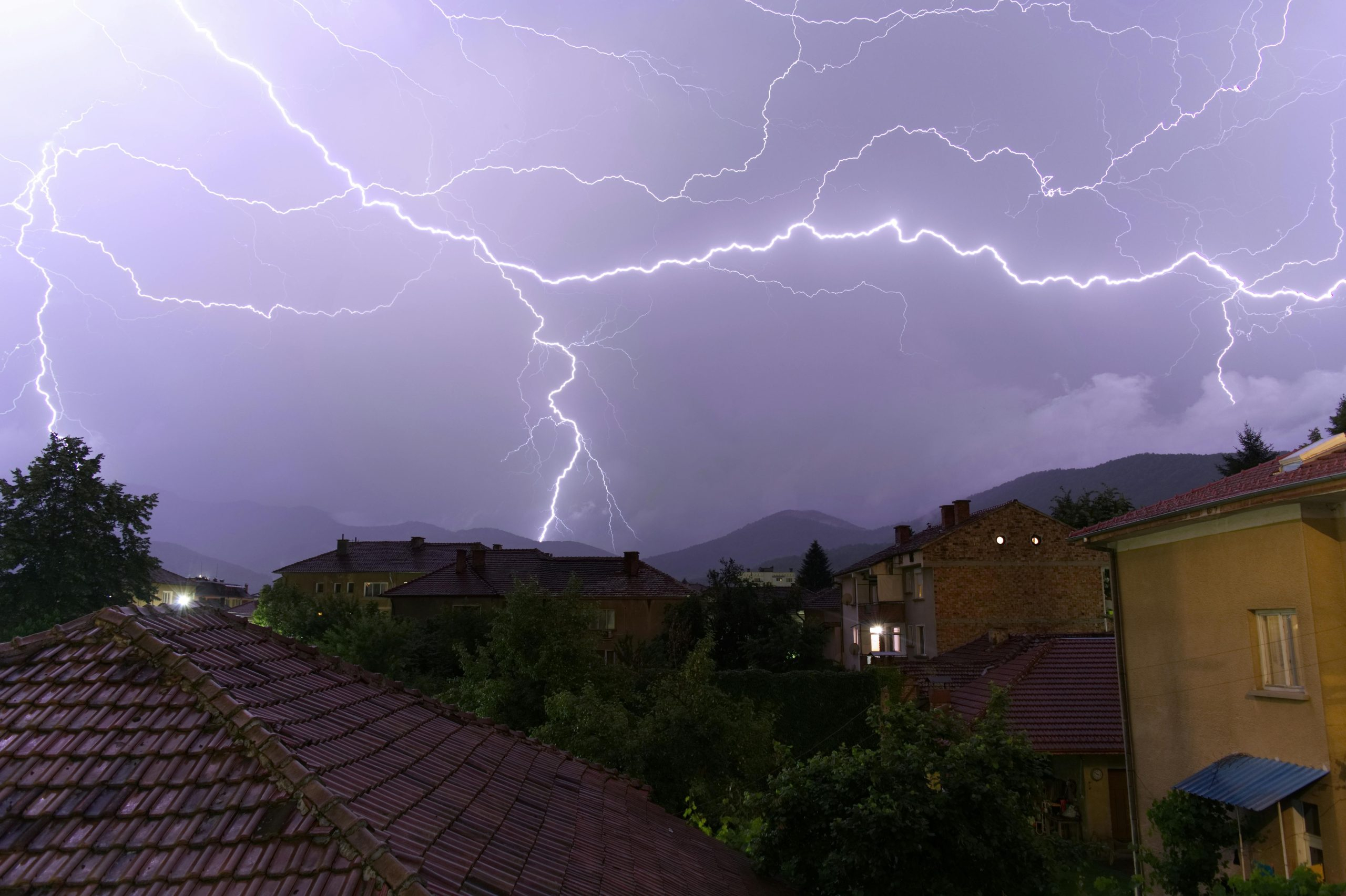
Understanding Severe Weather and Climate Change
Before we dive into the specifics of preparing your house for severe weather and climate change, it is important to have a basic understanding of these concepts. Severe weather refers to any weather event that has the potential to cause significant damage, destruction, or loss of life. This can include hurricanes, tornadoes, floods, thunderstorms, and more.
Climate change, on the other hand, refers to the long-term changes in the Earth’s climate patterns. This can include rising global temperatures, changing weather patterns, and more severe weather events. As the Earth’s climate continues to change, we can expect to see more frequent and intense severe weather events.
Evaluating Your Risks
The first step in preparing your house for severe weather and climate change is to evaluate the risks in your area. This will help you determine which types of disasters you need to prepare for and what measures will be most effective. You can start by researching the types of severe weather that are common in your region and the steps you can take to protect your home from these events.
You should also consider the specific location of your home and any potential hazards that may increase your risk. For example, if you live in a flood-prone area, you may need to invest in flood insurance and take extra precautions to protect your home from water damage.
Preparing Your Home’s Exterior
Roof and Gutters
Your home’s roof is its first line of defense against severe weather. It is important to regularly inspect your roof and address any issues before a storm hits. Make sure your roof is in good condition, with no loose or missing shingles. Consider hiring a professional to conduct a more thorough inspection, especially if you live in an area prone to hurricanes or tornadoes.
Your gutters also play a crucial role in protecting your home from severe weather. Make sure they are clear of debris to prevent water from building up and causing damage. You may also want to consider installing gutter guards to prevent clogs and minimize maintenance.
Windows and Doors
Windows and doors are vulnerable spots in your home that should be reinforced to withstand strong winds and flying debris. Consider installing storm shutters or impact-resistant glass to protect your windows. You can also reinforce your doors with storm-resistant materials such as heavy-duty hinges and locks.
Minimizing Interior Damage
In addition to protecting the exterior of your home, there are steps you can take to minimize interior damage from severe weather. This includes securing large furniture and appliances, covering air vents and electronics, and clearing out your basement or crawl space in case of flooding. It is also a good idea to create a disaster preparedness kit with essential supplies and keep it in a safe, easily accessible location.
Investing in Insurance
Even with all the precautions in place, severe weather can still cause damage to your home. That is why it is crucial to have adequate insurance coverage. Homeowners insurance typically covers damage from severe weather events such as hurricanes, floods, and wildfires. However, depending on your location and risks, you may need additional coverage for potential hazards.
Staying Informed and Being Prepared
The best defense against severe weather and climate change is to stay informed and be prepared. Stay up to date on the latest weather forecasts and emergency alerts in your area. Know the evacuation routes and emergency shelters in your community. It is also a good idea to have a family emergency plan in place so that everyone knows what to do in case of a disaster.
Preparing your house for severe weather and climate change may seem like a daunting task, but taking the time and effort to do so can save you from potential disaster and costly repairs. By understanding the risks, reinforcing your home, and having a plan in place, you can weather any storm that comes your way with minimal damage.