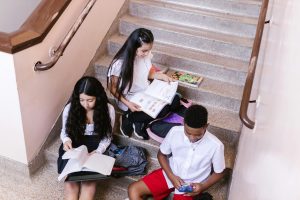
Creating Inclusive Learning Environments for Diverse Student Populations
In today’s diverse and multicultural society, creating inclusive learning environments is essential for providing quality education for all students. As an educator, it is crucial to understand the unique needs and backgrounds of your students to foster a safe and welcoming learning space. In this article, we will discuss the importance of creating inclusive learning environments for diverse student populations and provide practical strategies for doing so.
The Importance of Inclusive Learning Environments
Inclusive learning environments are essential for the academic, social, and emotional development of students. When students feel valued, respected, and included, they are more likely to actively participate in their learning, leading to higher academic achievement. Inclusive environments also promote a sense of belonging and community, which can positively impact a student’s self-esteem and mental health.
Understanding Diversity in the Classroom
Before we can create an inclusive learning environment, we must first understand the diversity within our classrooms. Diversity goes beyond race and ethnicity; it includes factors such as culture, religion, socioeconomic status, learning styles, and abilities. Each student brings a unique set of experiences, perspectives, and challenges to the classroom, and it is crucial to recognize and respect these differences.
Strategies for Creating Inclusive Learning Environments
1. Get to Know Your Students
Building relationships with students is vital to creating an inclusive environment. Take the time to get to know your students’ backgrounds, interests, and learning needs. This information will help you tailor your teaching to meet the diverse needs of your class and make every student feel valued and represented.
2. Incorporate Diverse Perspectives
Including diversity in the curriculum is crucial for creating an inclusive learning environment. Incorporate diverse perspectives into your lessons, materials, and activities to represent your students and expose them to different ways of thinking. This not only promotes inclusivity but also prepares students for the multicultural society they will enter after graduation.
3. Encourage Collaboration and Interaction
Inclusive learning environments promote collaboration and interaction among students. Encourage students to work together and value each other’s contributions, fostering a sense of community and belonging. Group projects and discussions can also provide opportunities for students to share their diverse backgrounds and perspectives.
4. Address Bias and Discrimination
As an educator, it is essential to address any instances of bias or discrimination that may arise in the classroom. These conversations can be uncomfortable, but they are necessary for creating a safe and inclusive environment for all students. It is also crucial to address any unconscious biases you may have and strive to create a truly inclusive classroom.
5. Foster a Growth Mindset
A growth mindset promotes the belief that all students can learn and succeed with effort and perseverance. By fostering a growth mindset, you are creating an environment where students feel supported and valued, regardless of their background or abilities. Encourage students to take risks, learn from their mistakes, and believe in their potential.
Conclusion
Inclusive learning environments are essential for the success of all students, regardless of their diverse backgrounds. By understanding and embracing diversity, building relationships with students, and implementing strategies that promote inclusivity, we can create a safe and welcoming learning environment for all students. As educators, it is our responsibility to create spaces where every student feels valued, respected, and included.