Exploring Different Forms of Meditation for Calming Anxiety
Anxiety is a common mental health issue that affects millions of people around the world. It can manifest in various forms, such as social anxiety, panic attacks, or generalized anxiety disorder. While it is a normal emotion, when it becomes overwhelming and interferes with daily life, it can be debilitating. Fortunately, there are many ways to manage anxiety, and one of the most effective methods is through meditation. In this article, we’ll dive into exploring different forms of meditation for calming anxiety, so you can find the right practice for you.
The Power of Meditation in Calming Anxiety
Before we delve into the different forms of meditation, let’s understand why meditation is such a powerful tool in managing anxiety. According to research, anxiety is linked to an overactive mind and excessive worrying. Meditation helps to quiet the mind and bring a sense of calmness to the body and mind. By focusing on the present moment, meditation can help to reduce racing thoughts and promote a state of relaxation.
Moreover, regular meditation practice can produce changes in the brain’s neural pathways, leading to reduced anxiety and stress levels. It also allows individuals to become more aware of their thoughts and emotions, which can help them better manage them. Now, without further ado, let’s take a look at the different forms of meditation that can be beneficial in calming anxiety.
Mindfulness Meditation
What is it?
Mindfulness meditation involves paying attention to the present moment without judgment. It is all about being fully present and observing your thoughts and emotions without getting caught up in them. By focusing on the breath and body, mindfulness meditation can help to ground oneself in the present moment and gain a sense of control over anxious thoughts.
How to do it?
To practice mindfulness meditation, find a comfortable sitting position, close your eyes, and bring your attention to your breath. Notice the sensation of the breath going in and out of your body. When your mind starts to wander, gently bring your attention back to your breath. You can also try focusing on different parts of your body, starting from the top of your head to the tips of your toes, to help anchor yourself in the present moment.
Guided Meditation
What is it?
Guided meditation involves listening to someone’s voice or following a recording that guides you through a meditation. It can be helpful for individuals who struggle to quiet their minds on their own and for those who are new to meditation. Guided meditations for anxiety often include techniques such as visualization, breathing exercises, and affirmations to promote relaxation and calmness.
How to do it?
You can find guided meditations for anxiety on various platforms, such as apps, YouTube, or podcasts. Find a comfortable and quiet place to sit, close your eyes, and follow the instructions provided. It’s essential to find a guided meditation that resonates with you, so try different recordings until you find one that works for you.
Yoga and Meditation
What is it?
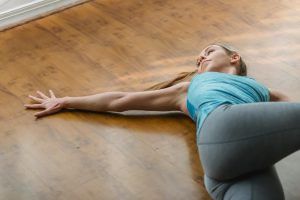
Yoga and meditation go hand in hand, and practicing yoga can be an effective way to calm anxiety. Yoga involves physical postures and breathing exercises that focus on aligning the body, breath, and mind. Through yoga, individuals can cultivate mindfulness and learn to regulate their emotions and thoughts, leading to reduced anxiety levels.
How to do it?
Find a gentle yoga class or follow an online yoga video that focuses on calming the mind and body. Practice the poses while paying attention to your breath, and try to release any tension and stress from your body. The combination of movement and mindful breathing in yoga can be incredibly helpful in reducing anxiety.
Transcendental Meditation
What is it?
Transcendental meditation (TM) is a form of meditation that involves chanting a mantra, a sound or word that you repeat silently. It aims to quiet the mind and reach a state of pure consciousness. TM is known for its ability to reduce stress, anxiety, and improve overall well-being.
How to do it?
To practice TM, find a quiet and comfortable place to sit, close your eyes, and start silently repeating a mantra. Focus on the sound of the mantra and let go of any thoughts that arise. If your mind wanders, gently bring your attention back to the mantra. You can learn the proper technique from a certified TM instructor or follow an online guide.
In Conclusion
Meditation is a powerful tool in calming anxiety and promoting a sense of well-being. The forms of meditation mentioned above are just a few of the many practices available. It’s essential to remember that each individual is unique, and what works for one person may not work for another. Therefore, it’s crucial to experiment and find the right form of meditation that resonates with you. With regular practice, meditation can help you manage your anxiety, leading to a calmer and more peaceful mind.